



Order your reptile supplies online, or from our Toowoomba & Warwick stores
Shop by specie
Curated supplies for pet reptiles and amphibians. From frogs and turtles to hermit crabs, we have all the essentials for your reptiles. Browse our specialist collections for species-specific care and environment setup.


Reptile supplies Toowoomba & Warwick
Your local reptile shop

Build the perfect habitat
Essential accessories for comfort, safety, and health.


Keeping your reptiles happy & healthy

Nutrition for every specie
SHOP REPTILE FOOD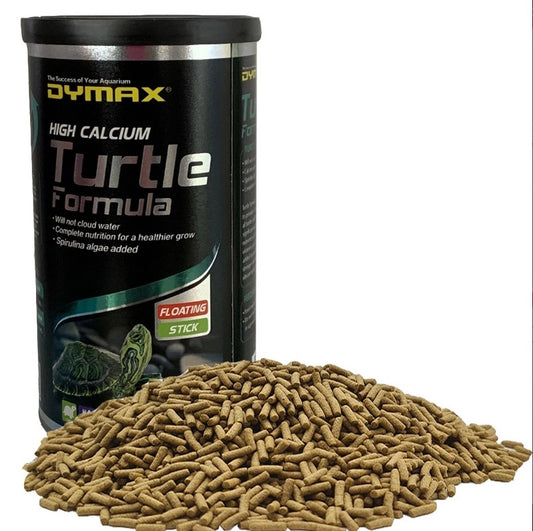
Dymax Turtle Formula 110g
- Regular price
- From $14.00
- Regular price
-
- Sale price
- From $14.00
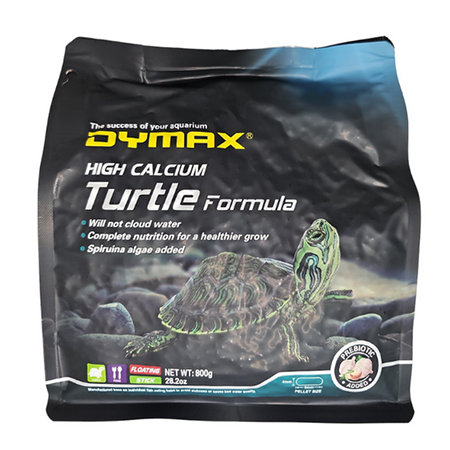
Dymax Turtle Formula 800g
- Regular price
- $53.99
- Regular price
-
- Sale price
- $53.99

Exo Terra Juvenile Bearded Dragon Food Soft Pellets 540g
- Regular price
- $60.95
- Regular price
-
- Sale price
- $60.95
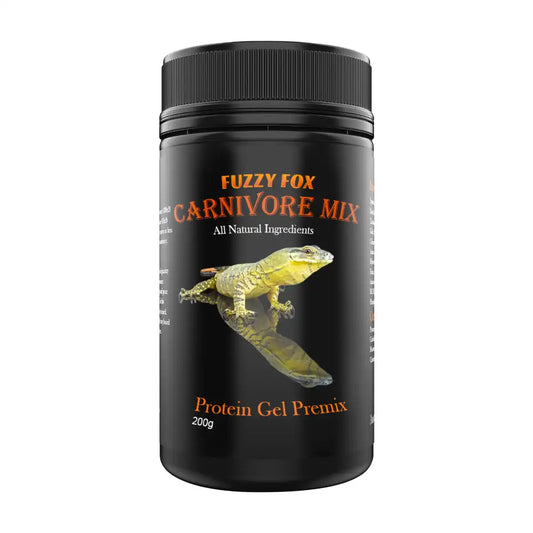
Fuzzy Fox Carnivore Gel Mix 200g
- Regular price
- $36.99
- Regular price
-
- Sale price
- $36.99
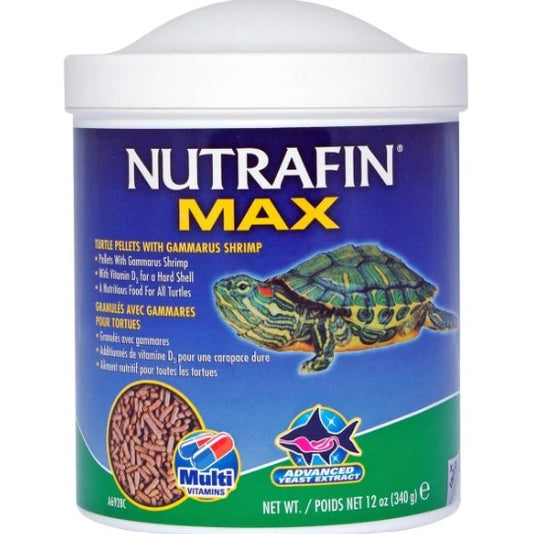
Nutrafin Max Turtle Pellets 30g
- Regular price
- From $7.99
- Regular price
-
- Sale price
- From $7.99
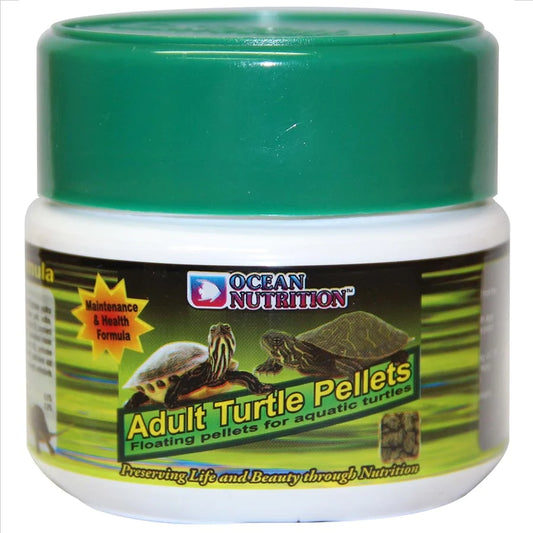
Ocean Nutrition Adult Turtle Pellets
- Regular price
- $13.99
- Regular price
-
- Sale price
- $13.99
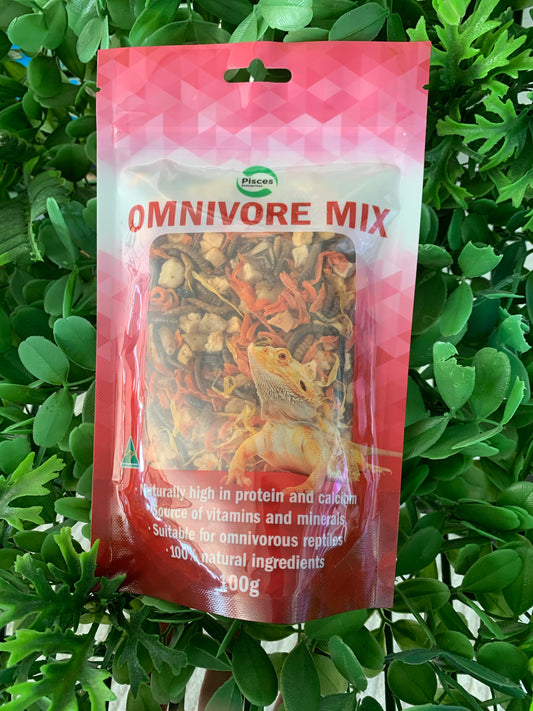
Omnivore Mix 100g
- Regular price
- $13.95
- Regular price
-
- Sale price
- $13.95
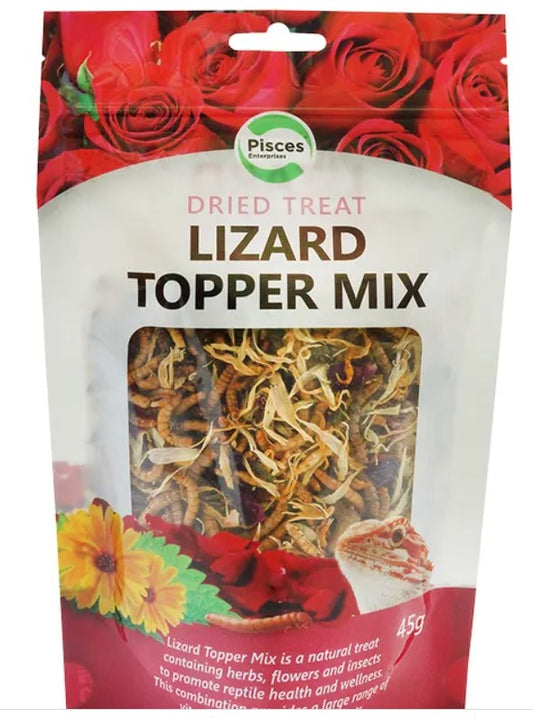
Pisces Dried Treat - Lizard Topper Mix 45g
- Regular price
- $31.00
- Regular price
-
- Sale price
- $31.00
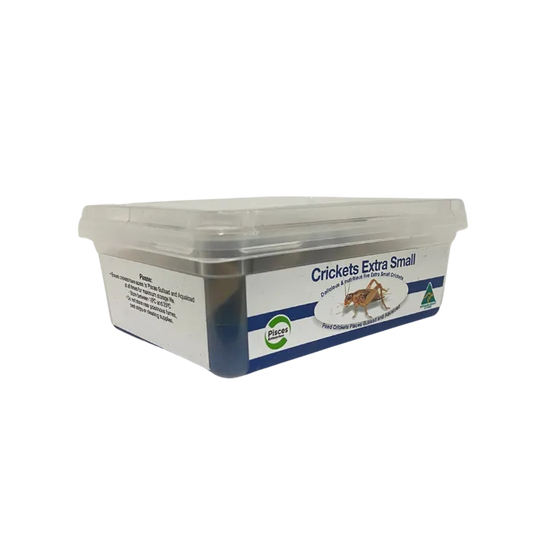
Pisces Extra Small Crickets
- Regular price
- $9.00
- Regular price
-
- Sale price
- $9.00
CARING FOR REPTILES
How do I maintain heating and lighting for my snake?
Snakes require a temperature gradient: warmer side 28–32°C, cooler side 22–25°C. Most snakes do not need UVB lighting, but a day/night cycle is beneficial.
What substrate is suitable for snakes?
Aspen shavings, reptile carpet, or paper towels are safe and easy to clean. Avoid pine or cedar due to toxic oils.
What should I feed my snake?
Diets typically consist of appropriately sized rodents, pre-killed depending on your snake’s needs.
How do I choose the right lizard food?
Diet depends on species. Insectivores need live insects, while omnivores may enjoy fruits, vegetables, and insects. Always ensure variety for balanced nutrition.
What substrate is best for my lizard?
Reptile carpet, coconut fiber, or soil mixes are common. Avoid sand for small lizards as it can cause impaction.
How should I maintain heating and lighting for my lizard?
Provide a thermal gradient in the enclosure with a basking zone (30–40°C for most species) and ambient zone (20–25°C). UVB lighting is crucial for calcium absorption and bone health.
What substrate is best for my turtle?
Most aquatic turtles don’t require a substrate if they live in a fully aquatic tank; smooth river rocks or bare-bottom tanks are commonly used. For semi-aquatic turtles, a mix of soil and sand can create a basking area.
How do I maintain proper heating and lighting?
Turtles need UVB lighting to synthesize vitamin D3 and maintain shell health. Combine a UVB bulb with a heat lamp over a basking area, keeping temperatures between 25–30°C in the water and 30–35°C in the basking zone.
What do turtles like to have in their tanks for enrichment?
We like to think of enrichment as encouraging behaviours that would be suitable for wild animals. So tools like plants, hides, and a variety of foods can motivate them to forage, dig and hunt. Your turtles will be happiest when their natural instincts aren't surpressed.
How do I choose the right turtle food?
Offer a mix of commercial turtle pellets, leafy greens, and occasional protein (e.g. insects or cooked meats) depending on the species. Always provide fresh water.
What substrate do hermit crabs need?
Use a mix of sand and coconut fiber at least twice the height of the largest crab to allow burrowing. Keep it slightly moist but not wet.
How do I maintain heating and lighting for hermit crabs?
Maintain ambient temperatures around 24–28°C and provide a day/night light cycle. UVB is optional but helps overall health.
What should I feed my hermit crabs?
Provide commercial hermit crab food supplemented with fruits, vegetables, and calcium sources like cuttlefish bone. Fresh water is essential.